
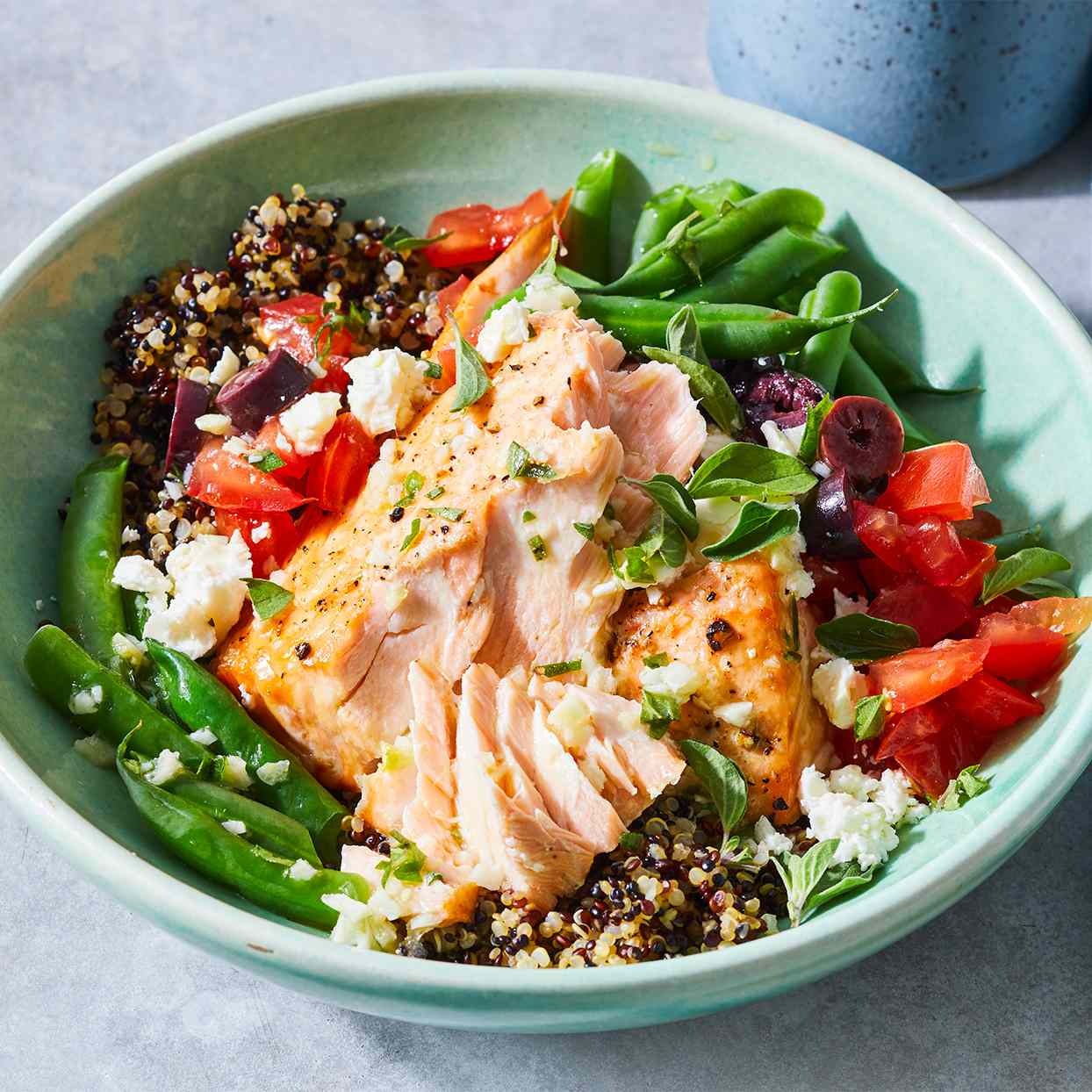
A quieter appetite still needs a nutrition plan
Medicines that act on GLP-1 pathways can reduce appetite and help people lose weight. Semaglutide acts on GLP-1 receptors, while tirzepatide acts on both GIP and GLP-1 receptors. Eating less may feel easier, but a smaller food intake can also mean less protein, fewer vitamins and minerals, and less fluid. The aim is to support health, strength, and daily function alongside changes on the scale.
Protect lean tissue as weight changes
Weight loss includes both fat and lean tissue. Body-composition studies report different proportions depending on the population, medication, duration, and measurement method. The broad 20%–50% range is not a prediction for an individual and does not mean that all lean tissue lost is skeletal muscle; lean mass also includes water and other tissues. Adequate food, protein, and strength training can support muscle preservation, but do not guarantee that lean mass loss will be prevented.
Make protein a daily priority
A target of 1.2–1.6 grams of protein per kilogram per day can be a useful starting point during weight loss. A nutrition professional should decide whether actual, adjusted, or reference body weight is appropriate. Kidney disease and other medical conditions may require a different target. Spread protein across meals instead of relying on one large serving. Options include eggs, fish, poultry, yogurt, tofu, beans, and lentils. If appetite is low, begin with the protein portion and choose smaller, nourishing meals you can tolerate.
Build fiber and fluids gradually
Vegetables, fruit, pulses, and whole grains contribute fiber and micronutrients. Increase fiber slowly, particularly if nausea, bloating, or constipation makes eating difficult. Sip fluids throughout the day rather than trying to drink everything at once. Fluid needs vary with activity, climate, and medical conditions; follow any prescribed fluid restriction. Persistent vomiting, inability to keep fluids down, or severe abdominal pain needs prompt medical assessment.
Check nutritional adequacy
Reduced intake can make it harder to obtain enough iron, vitamin B12, calcium, vitamin D, and folate. Review food choices, symptoms, and relevant blood tests with your care team. Supplements should address individual needs rather than replace balanced meals or be taken automatically. Choose foods that supply several nutrients at once, such as yogurt, eggs, leafy greens, legumes, and fortified alternatives.
Pair nourishment with strength
Regular resistance training supports strength and physical function. Work toward at least two sessions each week if medically appropriate, starting at a level suited to your ability. Walking and other enjoyable movement complement this work. Review progress through energy, strength, food tolerance, and nutritional status as well as weight. Your prescriber and nutrition professional can adjust the plan as appetite and needs change.
This article provides general nutrition education. Medication decisions and individual protein, fluid, and supplement targets belong with your treating clinician.
References & further reading
- Wilding JPH et al. Once-Weekly Semaglutide in Adults with Overweight or Obesity. New England Journal of Medicine (2021). Read the STEP 1 trial.
- Wilding JPH et al. Impact of Semaglutide on Body Composition in Adults With Overweight or Obesity: Exploratory Analysis of the STEP 1 Study. Journal of the Endocrine Society (2021). Read the body-composition analysis.
- Jastreboff AM et al. Tirzepatide Once Weekly for the Treatment of Obesity. New England Journal of Medicine (2022). Read the SURMOUNT-1 trial.
- Jäger R et al. International Society of Sports Nutrition Position Stand: Protein and Exercise. Journal of the International Society of Sports Nutrition (2017). Read the protein and exercise guidance. This provides general exercise-nutrition context, rather than a GLP-1-specific prescription.